IWIN – Link Tải IWINCLUB APK/iOS Chính Thức 2026
Truy cập kho dữ liệu phân phối ứng dụng trực tiếp từ hệ thống cổng game IWIN (còn được biết đến với tên gọi IWINCLUB, IWIN CLUB). Chúng tôi cung cấp các tệp tin cài đặt nguyên bản, triệt tiêu giật lag và không chứa mã độc. Hãy lựa chọn đường dẫn chính quy để đảm bảo kết nối ổn định và bảo vệ an toàn tuyệt đối cho thiết bị của bạn.


Báo Cáo Thông Số Vận Hành Hệ Thống IWIN
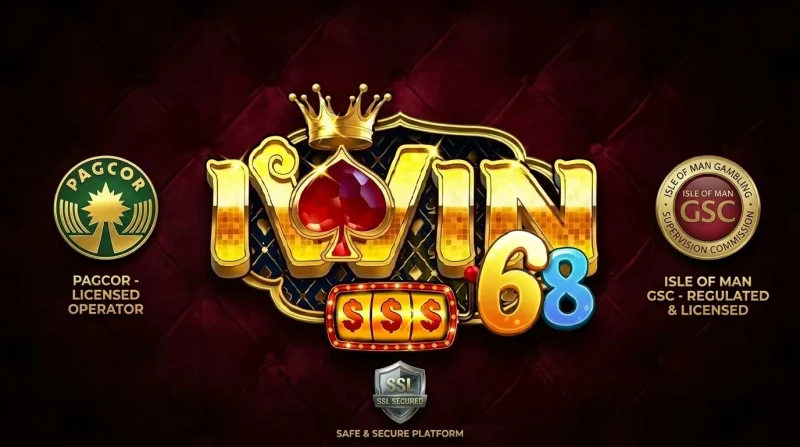
Hệ thống IWIN vận hành minh bạch và hợp pháp dưới sự bảo hộ của các tổ chức cá cược quốc tế hàng đầu, cam kết một môi trường giải trí công bằng và an toàn.
Hành Lang Pháp Lý
Hệ thống IWIN vận hành dưới sự giám sát trực tiếp của PAGCOR. Chúng tôi tuân thủ nghiêm ngặt các quy định iGaming quốc tế để duy trì sự minh bạch cao nhất.
Thuật Toán Lõi
Tích hợp tiêu chuẩn RNG đạt chứng nhận quốc tế. Cơ chế này đảm bảo tính ngẫu nhiên tuyệt đối, khẳng định uy tín của nền tảng IWIN chính chủ.
Thanh Khoản Tự Động
Cổng API kết nối đa ngân hàng hoạt động 24/7. Tốc độ khớp lệnh nạp và xét duyệt rút tiền tại hệ thống IWIN đạt hiệu suất xử lý dưới 120 giây.
An Ninh Dữ Liệu
Ứng dụng công nghệ mã hóa SSL 256-bit tối tân nhất. Toàn bộ thông tin hội viên được bảo vệ đa tầng, chống lại mọi hành vi xâm nhập trái phép.
Trình Cài Đặt Ứng Dụng IWIN Đa Nền Tảng
4.9/5 điểm (dựa trên 18.450 lượt đánh giá)
Đội ngũ kỹ thuật IWIN đã tối ưu hóa mã nguồn để đảm bảo tốc độ phản hồi nhanh nhất. Ứng dụng thuộc hệ sinh thái đa nền tảng này hoàn toàn tương thích với các dòng máy chạy iOS và Android APK, cam kết không chứa mã độc và bảo vệ quyền riêng tư tuyệt đối.
Hệ Sinh Thái Giải Trí IWIN Toàn Diện
Khám phá 7 chuyên trang sản phẩm được vận hành trực tiếp bởi nền tảng chính chủ. Tích hợp công nghệ API trả thưởng minh bạch và cơ chế bảo mật tối tân.
Sảnh Casino IWIN
Trải nghiệm VIP đẳng cấp. Công nghệ Livestream 4K từ sảnh Manila không độ trễ, đảm bảo tính minh bạch tuyệt đối.
Cá Cược Thể Thao IWIN
Tích hợp API cập nhật tỷ lệ kèo bóng đá, E-Sports tự động. Bao phủ mọi giải đấu toàn cầu.
Game Bài 3D
Thuật toán chia bài ngẫu nhiên RNG. Môi trường đấu trí xanh chín, công bằng 100%.
Lô Đề Trực Tuyến
Tỷ lệ trả thưởng cạnh tranh hàng đầu. Tích hợp đài quay số truyền thống và siêu tốc.
Nổ Hũ Jackpot
Kho game đa dạng chủ đề. Quỹ thưởng Jackpot cộng dồn minh bạch, cơ hội trúng lớn.
Bắn Cá Đại Dương
Khám phá thủy cung 3D với hệ thống vũ khí tân tiến. Trải nghiệm săn Boss chân thực.
Game Slots Đa Chủ Đề
Hàng trăm tựa game bản quyền quốc tế. Đồ họa sắc nét, cơ chế vòng quay chuẩn xác.
IWIN – Hệ Thống Vận Hành & Tuyên Ngôn Chính Thống
Chúng tôi là đội ngũ kỹ thuật trực tiếp quản trị Trang chủ IWIN. Tại đây, mọi luồng dữ liệu và hệ thống vận hành IWIN đều được thiết lập dựa trên các tiêu chuẩn cá cược quốc tế minh bạch nhất.
Khác với các nền tảng trung gian, chúng tôi cung cấp giá trị thông tin độc bản và quyền truy cập trực tiếp vào hệ sinh thái giải trí cốt lõi, đảm bảo trải nghiệm của người dùng luôn được ưu tiên hàng đầu.
ISLE OF MAN
RNG ALGORITHM
Trung Tâm Vận Hành & Giao Dịch IWIN
Khớp Lệnh Hệ Thống IWIN
Theo dõi luồng giao dịch nạp rút và khớp lệnh tự động từ người chơi trên toàn cầu.
Bảng Tin Vận Hành IWIN
Cập nhật các thông cáo báo chí, bảo trì hệ thống và nâng cấp thuật toán từ Ban quản trị.